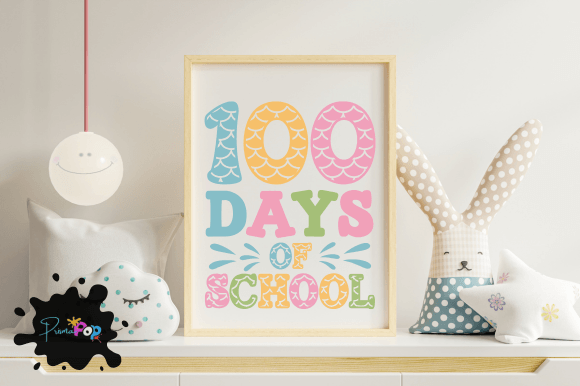
100 Days of School Design: Ideas That Work for Everyone
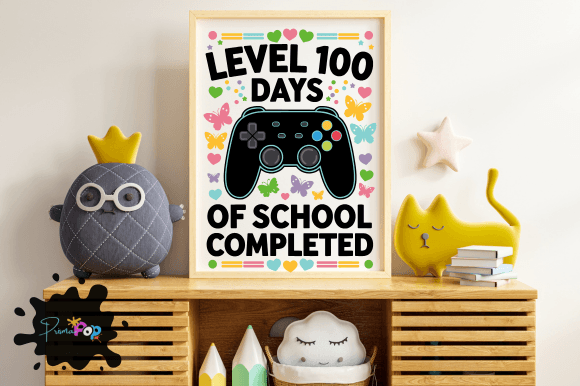
If you have ever searched for ways to mark the hundredth day of school, you have likely encountered a flood of printables, shirt ideas, and craft templates. But what does 100 Days of School Design really mean beyond the surface? At its core, it is the practice of creating visual and functional materials that celebrate the milestone of one hundred days of learning. This can include t-shirt graphics, classroom posters, photo props, activity sheets, banners, and digital assets used in school events or social media posts.
The design aspect matters because it turns a simple number into a shared experience. A well-crafted design can make a child feel proud, help a teacher communicate enthusiasm, or give a parent a quick way to participate. Yet the same design can also serve a small business owner looking for seasonal products, a freelance creator building a portfolio, or a hobbyist experimenting with new software. The versatility of this theme is what makes it interesting across different skill levels and goals.
Why the Hundredth Day Matters to Different People
The hundredth day of school is not a universal holiday, but it has become a widespread tradition in many early education settings. For educators, it is a chance to reinforce counting, grouping, and pattern recognition in a festive way. For parents, it is often a moment to help their child feel included and excited about school. For designers and small business owners, it represents a predictable seasonal need that repeats every year.
Each audience approaches 100 Days of School Design with different priorities. A teacher may need something simple and printable within minutes. A parent might want a cute shirt idea that does not require advanced crafting skills. A freelance designer could be looking for a template they can customize and sell. Understanding these differences helps you decide whether a particular design approach fits your own situation.
Beginners and Hobbyists: Finding Easy Entry Points
If you are new to design or just want a quick project, the hundredth day theme is forgiving. Many designs rely on bold numbers, bright colors, and simple imagery like stars, gumballs, or tally marks. You do not need expensive software or years of experience.
Consider a parent who wants to make a t-shirt for their child. You can buy iron-on transfer paper, find a free template online, and print a design that says 100 Days Smarter with a simple rainbow graphic. The whole process takes less than an hour. For a hobbyist learning illustration, this theme offers a low-stakes way to practice composition, typography, and color theory. You can experiment with different number styles or mascot characters without worrying about client feedback.
The key here is ease of use and speed. If you are short on time or confidence, look for designs that rely on pre-made elements, clear instructions, and minimal materials. Many community groups and educational blogs share free resources specifically for this occasion.
Educators and Classroom Creators: Prioritizing Flexibility and Reliability
For teachers, the hundredth day is not just about one activity. It often involves multiple stations, decorations, and take-home items. A single design might need to work as a coloring page, a bulletin board header, and a sticker template. This is where flexibility and reliability become critical.
A good 100 Days of School Design for classroom use should be easily scalable. Can you resize the graphic without losing quality? Does it print well in black and white as well as color? Can it be adapted for different age groups? For example, a kindergarten teacher might use a design with large numbers and simple shapes, while a second-grade teacher could incorporate counting exercises into the same visual theme.
One practical example is a design that features one hundred small objects arranged in groups of ten. This reinforces the concept of place value while looking festive. The same design can be printed as a poster, used as a coloring sheet, or projected on a screen. When evaluating classroom designs, teachers should prioritize clarity, printability, and adaptability over flashy effects.
Creators and Freelancers: Balancing Quality and Commercial Value
If you are a designer, illustrator, or content creator, the hundredth day theme can be a reliable seasonal niche. It repeats annually, has a defined audience, and allows for creative interpretation. However, succeeding in this space requires attention to quality and commercial value.
Professional-grade designs often use vector files, clean typography, and layered elements that customers can edit. A freelance designer might create a set of digital templates for t-shirts, social media posts, and classroom decorations, then sell them on a platform like Etsy or Creative Market. The best designs in this category are those that offer variety within a consistent style. For example, a bundle might include ten different shirt designs, each with a unique layout but sharing the same color palette and font family.
Buyers in this market are often parents or teachers who want something polished but customizable. They may not have design skills, so they rely on your ability to provide easy-to-edit layers, print-ready files, and clear licensing terms. If you are creating for sale, test your designs in real contexts. Does the shirt graphic look good on different fabric colors? Does the poster retain its impact when printed in standard sizes?
Small Business Owners and Marketers: Meeting Seasonal Demand
For small business owners, especially those in print-on-demand, party supplies, or educational materials, the hundredth day represents a predictable sales window. Understanding the design preferences of your customers can help you stock products that actually sell.
Parents often look for shirt designs that are fun but not overly childish, as they may want to wear one too. Teachers appreciate designs that are inclusive and do not rely heavily on specific cultural references. Marketers can use social media to showcase design variations, run polls, or share behind-the-scenes creation processes. This builds anticipation and helps you gauge which styles resonate most.
Cost and presentation matter a great deal in this segment. A business owner needs designs that are cost-effective to produce, whether that means low ink usage for printed items or quick assembly for handmade goods. Presentation also matters: a well-photographed shirt or a clean mockup of a classroom decoration can make the difference between a sale and a scroll-by.
One approach is to offer curated bundles. A busy parent might prefer a kit that includes a shirt design, a matching cupcake topper, and a photo prop, all in one cohesive style. This adds commercial value by solving multiple needs at once.
Consumers and Enthusiasts: Evaluating Cost and Learning Value
If you are purchasing designs rather than creating them, you probably care about cost, quality, and learning value. You might be a parent looking for a one-time shirt, a grandparent planning a surprise, or a hobbyist who enjoys crafting with kids.
When evaluating a design, ask yourself a few questions. Does the design require specialized tools or materials? Are the instructions clear? Can the design be reused or adapted for other occasions? For example, a printable crown template for the hundredth day could also be used for a birthday party with minor modifications. That kind of versatility increases the long-term usefulness of what you buy.
Another consideration is whether the design encourages participation. A coloring poster that a child can complete independently offers more learning value than a pre-colored decoration. A shirt design that involves gluing on one hundred sequins turns a clothing item into a hands-on activity. For many families, the process of making the design together is more valuable than the finished product.
How to Decide If a Design Fits Your Goals
The best 100 Days of School Design is not the same for everyone. Your choice depends on your role, your skill level, and what you hope to accomplish. Here are a few guiding questions to help you evaluate any design you encounter.
- Does the design match the age and interests of the child or class involved?
- Can you complete it with the time and materials you have available?
- Does it serve a single purpose, or can it be used in multiple ways?
- If you are sharing it publicly, does it represent you or your brand well?
- Does it bring joy or learning value beyond just looking cute?
For beginners, simplicity and clear instructions matter most. For professionals, originality and polish are key. For educators, functionality and repeatability take priority. For business owners, market demand and production cost drive decisions. No single design will satisfy all these needs, but understanding your own priorities helps you avoid frustration and wasted effort.
Long-Term Usefulness and Creative Growth
Even if the hundredth day only comes once a year, the skills and templates you develop around it can serve you longer. A teacher who creates a reusable set of design elements can adapt them for the first day of school, the last day, or other milestones. A designer who builds a strong template system can repurpose it for seasonal events throughout the year. A parent who learns basic iron-on techniques can apply them to gifts, costumes, and party favors.
Creativity is not about starting from scratch every time. It is about building a library of ideas, tools, and methods that grow with you. The hundredth day of school is a small but meaningful opportunity to practice that principle. Whether you are designing for yourself, for your classroom, for your business, or for your family, the process of creating something that celebrates progress and community is valuable in its own right.
Take a moment to think about what you want to get out of your design. If it is a quick win, go simple. If it is a portfolio piece, go bold. If it is a group activity, go collaborative. The design is a tool, but the real milestone is the shared experience of reaching one hundred days together.