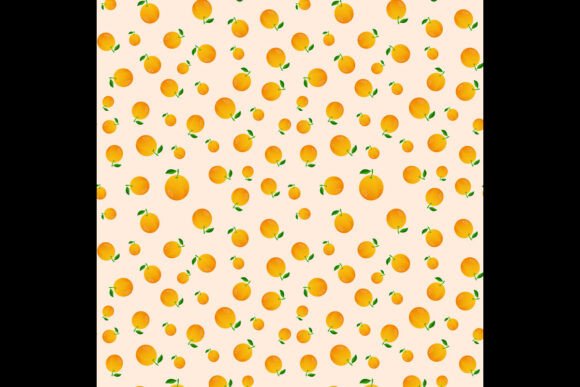
Banana Fruits Pattern Design for Creative Projects
When you think about pattern design, banana fruits might not be the first motif that comes to mind. Yet this lively, recognizable shape offers surprising versatility for digital creators, product designers, marketers, and small business owners alike. A well-crafted banana fruits pattern design can transform ordinary surfaces, packaging, or digital assets into visually engaging pieces that feel fresh, warm, and approachable. The bold curve, bright yellow hue, and natural repeatability of the banana silhouette make it a compelling choice for anyone looking to infuse energy into their work without relying on overused floral or geometric tropes.
Whether you are developing fabric prints, building a brand identity, designing social media templates, or planning a product line, understanding how banana fruits pattern design works and where it fits best can save you time, reduce guesswork, and help you stand out. This article explores practical benefits, realistic use cases, and considerations to help you decide whether this pattern approach aligns with your goals.
What Makes Banana Fruits Pattern Design Distinctive
Banana fruits pattern design refers to the intentional arrangement of banana motifs—whole fruits, slices, leaves, or stylized abstractions—into repeating or semi-repeating layouts. These patterns can range from realistic botanical illustrations to minimalist line drawings or playful cartoon renderings. What sets banana patterns apart is the organic flow of the fruit shape: long and sweeping, it naturally creates rhythm and movement in a layout, which static circles or squares cannot achieve as easily.
For designers and content creators, this means you can build visual interest without stacking multiple elements. A single banana fruit repeated at different angles or scales can produce a dynamic surface that draws the eye. That same flexibility also allows banana patterns to fit into diverse contexts—tropical, retro, modern, or even minimalist—depending on color palette, stroke weight, and background treatment.
Moreover, banana fruits carry cultural and emotional associations: energy, tropical relaxation, health, and natural sweetness. When you use banana fruits pattern design, you tap into those subtle cues without needing extra copy. This can make your work feel more intuitive and connected to the viewer.
Strengthens Visual Identity and Brand Recall
For small business owners and marketers, standing out in a crowded marketplace is a constant challenge. Banana fruits pattern design can become a signature visual element that customers recognize instantly. Imagine a juice bar using a consistent banana pattern on cups, napkins, and takeaway bags. The repetition builds familiarity, and over time, the pattern itself signals quality and personality.
Even for digital products like website backgrounds or email newsletter headers, a distinctive banana pattern can differentiate your brand from competitors who rely on generic textures or stock photos. Because banana motifs are less common than florals or stripes, they carry novelty value, which helps with recall.
Saves Time in Content Creation
Freelancers and hobbyists often need to produce large amounts of visual content quickly. A banana fruits pattern design can serve as a reusable asset across multiple projects. Once you design or source a high-quality pattern, you can apply it to social media posts, product mockups, presentation slides, and printed materials without starting from scratch each time.
For example, an educator creating tropical-themed worksheets or classroom decor can use a banana pattern as a consistent background element, giving the materials a cohesive feel while cutting down on design hours. The same applies to bloggers who want a signature pattern for their website or YouTube thumbnail backgrounds.
Improves Presentation and Communication
Patterns do more than decorate—they guide the viewer's attention and set a tone. Banana fruits pattern design, with its curved lines and warm yellow hues, naturally suggests approachability, energy, and natural abundance. If you are presenting a proposal for a health food product, a tropical resort, or a children's educational app, including banana patterns in your slides or prototypes can communicate the core theme visually before anyone reads a word.
Professionals in creative fields can use these patterns to make mood boards more persuasive. Instead of describing a "fresh, playful, natural" direction, you can show it through a well-chosen banana repeat pattern, helping clients or stakeholders grasp the concept faster and with less back-and-forth.
Who Benefits Most from Banana Fruits Pattern Design
While banana fruits pattern design can be adapted to many contexts, certain groups tend to see the greatest return on investment.
- Small business owners in food, wellness, or hospitality: Juice bars, smoothie shops, organic grocery stores, yoga studios, and tropical-themed cafes can all use banana patterns to reinforce their niche and create a memorable customer experience.
- Freelance designers and illustrators: If you offer pattern design as a service, adding banana motifs to your portfolio shows range and helps attract clients in niche markets like children's publishing, packaging, or sustainable brands.
- Educators and content creators: Those who produce materials for younger audiences or nature-themed content can leverage banana patterns to make resources feel playful and inviting without becoming distracting.
- E-commerce sellers: Print-on-demand sellers, fabric retailers, and stationery designers can test banana patterns as a unique offering that fills a gap in saturated categories like tropical prints or fruit motifs.
Realistic Use Cases and Examples
To make the value of banana fruits pattern design concrete, consider these scenarios where the pattern truly shines:
- Product packaging: A small batch hot sauce brand uses a black-and-white line art banana pattern on labels to convey bold, natural ingredients with a playful edge. The pattern wraps around the bottle, making the product stand out on shelves dominated by bold typography and logos.
- Digital backgrounds: A wellness blogger uses a soft, faded banana fruit pattern as a Zoom background for video calls and webinars. It subtly reinforces her brand's focus on natural health without being distracting to participants.
- Fabric and apparel: A clothing startup designing summer loungewear prints a banana leaf and fruit pattern on lightweight cotton. The pattern becomes their best-selling collection, as customers associate it with vacation vibes and comfort.
- Social media templates: A food influencer creates a series of Instagram story templates featuring a repeating banana silhouette pattern. Followers recognize the brand instantly, and the templates save the influencer hours of weekly design work.
Thoughtful Considerations and Limitations
No design approach works for every situation, and banana fruits pattern design has its boundaries. The most obvious consideration is thematic fit. A banana pattern may feel out of place in corporate finance presentations, professional legal websites, or luxury brands that rely on minimal, neutral aesthetics. In those contexts, the pattern's casual and tropical associations could undermine the intended tone.
Color choice matters significantly. Yellow is the default association with banana fruits, but high saturation yellow can overwhelm a layout or clash with other brand colors. Consider muted tones, monochrome versions, or abstract silhouettes if you need a subtler effect. A black-and-white banana pattern can offer sophistication while retaining the shape's distinctive curve.
Scale and repetition frequency also affect outcomes. A dense, tight repeat can feel energetic or chaotic, while a sparse, large-scale pattern can feel calm and modern. Test your pattern on mockups before committing to production. What looks balanced on a screen may feel overwhelming on a tote bag or too sparse on a business card.
Another limitation is audience perception. While many people respond positively to fruit motifs, some may view them as childish or unprofessional depending on context. If your audience skews conservative or your product is high-end, compare banana patterns with more neutral botanical or geometric options before deciding.
How to Choose or Create a Banana Fruits Pattern Design
Whether you are sourcing a ready-made pattern or developing your own, keep these criteria in mind:
- Intent and mood: Do you want playful, elegant, retro, or tropical? Let that guide your choice of line style, color palette, and background texture.
- Scalability: Ensure the pattern works at different sizes. A pattern that looks good on a phone screen may not translate well to a large wall mural or a fabric bolt.
- Repeat quality: Seamless repeats matter for fabric, wallpaper, and packaging. Check for visible seams or awkward gaps in commercial patterns.
- Originality: Banana fruits pattern design is still relatively niche, which is an advantage. Use that to your benefit by choosing a rendition that feels unique to your brand rather than generic stock art.
Bringing Banana Fruits Pattern Design into Your Workflow
Integrating a banana pattern into your existing process does not require a complete redesign. Start small: use it on one product, one email header, or one social media template. Measure audience engagement, customer feedback, or simply your own comfort level with the look. From there, you can expand to other applications gradually.
For teams and small businesses, having a library of patterns that includes banana fruits design gives you flexibility. You can rotate patterns seasonally, test variations, or offer limited edition products without overhauling your brand identity each time. This approach keeps your work fresh while maintaining consistency.
Ultimately, banana fruits pattern design is a tool—one that offers warmth, movement, and distinction. When matched thoughtfully with your audience and purpose, it can elevate your projects, simplify your creative decisions, and help you communicate more effectively without adding complexity.