Making Mexican Valentine Bow Concha Pan Dulce Part of Your Baking Workflow
If you have ever stood in a panadería and admired the rows of colorful conchas, you already understand the appeal of this classic Mexican sweet bread. But the Mexican Valentine bow concha pan dulce takes things in a more deliberate direction. This is not just a seasonal novelty. It is a practical variation that fits into real baking workflows, whether you run a home kitchen, a small bakery, or teach others how to work with enriched doughs. Understanding how to plan for, produce, and integrate this specialty item into your routine can improve your consistency, your creative output, and even your bottom line.
What Mexican Valentine Bow Concha Pan Dulce Actually Is
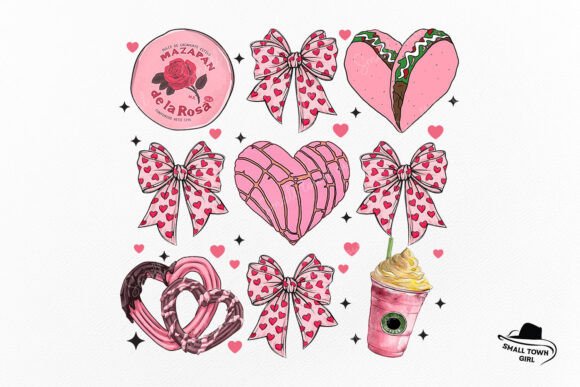
At its core, a concha is a soft, yeasted sweet roll topped with a crisp, sugary paste that is scored to resemble a shell. The Valentine bow concha adapts this standard by shaping the topping or the dough itself into a bow or heart-inspired form, often finished with pink, red, or white topping colors. Some bakers create a literal bow shape using dough strips, while others press a bow pattern into the concha topping before baking. Either way, the end result is a visually distinct product that still behaves like a traditional concha in terms of fermentation time, baking temperature, and shelf life.
This makes it a smart addition to your workflow rather than a completely new recipe. You are working with the same base dough and topping method, only modifying the shaping and scoring steps. That means minimal extra cost and training but significant visual impact for holidays, events, or themed orders.
Where This Fits Into a Broader Baking Process
If you already produce conchas on a regular basis, adding a Valentine variant does not disrupt your existing schedule. The dough preparation, bulk fermentation, and portioning remain identical. The divergence happens during final shaping and topping application. This is a classic example of process branching: a single dough batch can yield both standard conchas and bow-shaped ones, depending on how you allocate your labor and oven space.
For small business owners and home bakers, this means you can offer seasonal variety without multiplying your prep work. You mix one dough, divide it, and shape a portion of the pieces into bows while shaping the rest as usual. The topping batch can also be split and colored differently so that you get pink and red bows alongside traditional white or chocolate conchas. The key is to plan your production run so that all pieces proof and bake at the same time, which keeps your oven schedule efficient.
Adjust Your Shaping Sequence
The most efficient way to incorporate bow conchas is to reshape your process flow rather than add extra steps. After your dough has completed bulk fermentation and you have scaled your portions, shape all your standard conchas first. Then, take the remaining dough portions and shape them into bows. This prevents cross-contamination of colors or shapes and keeps your work surface organized. If you are working alone, batch your shaping by type. If you have a team, assign one person to bows while others handle standard shapes.
Topping Consistency Matters
The topping for bow conchas needs to be slightly stiffer than usual if you plan to pipe or press detailed patterns. A softer topping spreads during proofing and can blur the bow design. Test your topping consistency on a small batch first. You want a paste that holds a piped edge but does not crack when the dough expands. This is a quality control point that directly affects the visual outcome. If you are teaching this to others, emphasize that the topping should be mixed until just combined and rested for a few minutes to hydrate fully before piping.
Color Coordination Without Waste
Instead of making three separate topping batches for pink, red, and white, start with a white base and divide it. Use gel food coloring for the most stable color. Red gel can be intense, so add it drop by drop. Pink is easier to control and often photographs better for social media. If you sell these, consider that pink and white bows tend to appeal to a broader audience than deep red, which can look darker after baking. Test your colors in a small oven test before full production.
Using Bow Conchas Before a Project or Event
If you are planning a Valentine's Day promotion, a wedding favor order, or a themed baking class, the preparation window is critical. Conchas require a same-day bake for best texture, but the dough and topping can be prepped a day ahead. You can mix the dough, bulk ferment it overnight in the refrigerator, and shape the next morning. This gives you a full production day without early starts. The topping can be made the day before and stored covered at room temperature. When you are ready to shape, the topping will be firm enough to pipe clean lines.
For educators and content creators, this advance prep allows you to film or photograph the shaping and baking stages without rushing. You can stage the process in logical segments: dough mixing and fermentation one day, shaping and topping the next, and baking as a live demonstration. This workflow reduces stress and improves the quality of your instructional material.
How It Interacts With Other Tools and Resources
Your existing baking tools are sufficient for bow conchas. A bench scraper, piping bags or small offset spatulas, and a sharp knife or scoring tool are all you need. If you want consistent bow shapes, consider using a template. Cut a bow shape from parchment paper and place it on the dough piece as a guide for piping the topping. This is a low-cost method that improves repeatability, especially if you are training staff or producing large quantities.
Digital tools also play a role. If you sell your baked goods online, product photography becomes part of your workflow. Bow conchas photograph well from a slight overhead angle, showing the topping design clearly. Plan your lighting to avoid harsh shadows on the pink or red topping. If you teach online, a simple phone tripod and a well-lit counter are enough to show the shaping technique. The investment is minimal, and the visual payoff is high.
Efficiency and Consistency in Production
Consistency with bow conchas comes down to two variables: dough weight and topping thickness. Standardize your dough portions using a scale. A 70-gram piece works well for a hand-sized bow concha. For the topping, use a measured scoop or pipe by weight until you develop an eye for it. When you teach or scale up, these numbers become your quality benchmarks. Write them down on your production sheet so that every batch matches.
If you run a bakery, consider offering bow conchas as a pre-order item. This controls your production volume and reduces waste. You can bake exactly the number ordered plus a few extras for display or tasting. Pre-orders also help you manage ingredient purchasing. Red and pink gel colors last indefinitely, but you want to avoid buying bulk ingredients that go unused after Valentine's week. A pre-order model keeps your inventory lean and your margins healthy.
Long-Term Use and Seasonal Integration
The Valentine bow concha does not have to be a one-time product. The same shaping technique can be adapted for other occasions. Use green topping for a clover shape around St. Patrick's Day, orange for a pumpkin silhouette in autumn, or white and blue for a snowflake pattern in winter. Once you have the bow shaping method in your repertoire, you have a template for seasonal variation with minimal additional learning curve. This turns a holiday special into a year-round workflow asset.
For bloggers and content creators, this means you can build a series of posts or videos around a single technique applied across multiple holidays. Your audience gets repeatable, actionable content, and you get efficiency in production. Film the base technique once, then film short variations for each holiday. This approach respects your time while delivering consistent value.
Observations on Usability and Practical Outcomes
Bakers who add bow conchas to their rotation often report that the main challenge is not the shaping or baking but the pricing. A decorated concha takes more time per piece than a standard round one. Factor in that extra labor when setting your price. A good rule of thumb is to price bow conchas at 1.5 to 2 times the cost of a standard concha, depending on your market. Customers are willing to pay a premium for visible effort, especially for holiday items.
Another observation is that bow conchas freeze reasonably well if you bake them fully, cool them completely, and wrap them individually. This allows you to bake ahead of a busy weekend or ship them to customers. Reheat them briefly in a low oven to restore the topping's texture. If you are a freelancer or small business owner selling online, this freezing capability gives you flexibility. You are not forced to bake everything fresh on ship day.
Integrating Bow Conchas Into Your Routine Smoothly
Start small. On your next baking day, reserve a quarter of your dough and shape it into bows. Use whatever topping color you have on hand. Evaluate how the shaping fits into your existing timing. Does it add ten minutes or thirty? Adjust your schedule accordingly. Once you are comfortable, scale up for a holiday run.
If you teach or write about baking, document your process with notes and photos the first time you make bow conchas. This documentation becomes your reference for future batches and your foundation for teaching others. It also serves as portfolio material if you are a blogger or content creator looking to demonstrate practical holiday baking techniques.
The Mexican Valentine bow concha pan dulce is not a complicated project. It is a deliberate variation on a classic that rewards careful planning and consistent execution. Whether your goal is to sell more bread, teach a skill, or simply make something memorable for Valentine's Day, this concha fits into a real workflow without forcing you to reinvent your process. That is the kind of practical addition that builds momentum over time.