Ocean Animals Pattern Design: A Strategic Approach to Visual Branding and Communication
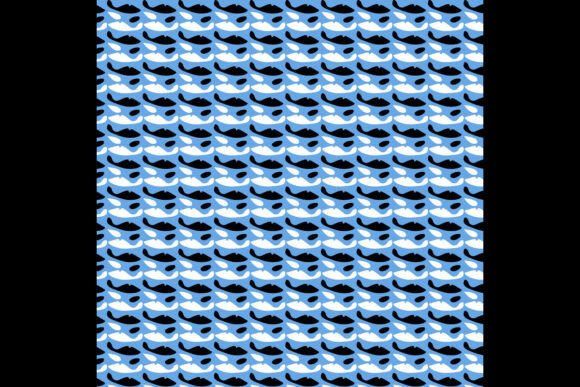
Pattern design featuring ocean animals has emerged as a distinctive visual language that extends far beyond simple decoration. For entrepreneurs, marketers, educators, and creators, understanding how to use this aesthetic strategically can support branding, communication, and long-term positioning. Ocean animals pattern design refers to the repeated use of marine life motifs—such as fish, whales, turtles, octopuses, and coral—arranged in cohesive, often scalable patterns for use across products, digital media, and physical spaces. When approached with intention, this design choice can convey values, evoke emotional responses, and strengthen recognition in ways that generic patterns cannot.
The strategic value of ocean animals pattern design lies in its ability to carry meaning. Marine life is universally associated with depth, exploration, adaptability, and interconnectedness. A brand that adopts a pattern featuring migrating whales or schooling fish can subtly communicate collaboration, resilience, or a long-term perspective. A children's educational publisher using sea turtle motifs may signal patience, endurance, and continuity. These associations work at a subconscious level, reinforcing messaging without requiring explicit explanation. For decision-makers, that is a powerful tool: the pattern does some of the communication work on its own.
Why Ocean Animals Pattern Design May Be Strategically Useful
In a crowded marketplace, differentiation often comes from the details. Ocean animals pattern design offers a way to stand out while remaining approachable and familiar. Unlike abstract geometric patterns, marine motifs carry narrative potential. They invite curiosity and create touchpoints for storytelling. A coastal resort using a subtle wave-and-seahorse pattern across its stationery, website, and signage establishes a cohesive visual identity that guests unconsciously associate with calm, discovery, and care. The pattern becomes a silent ambassador for the experience the business promises.
From a planning perspective, pattern design also allows for modularity. A single ocean animals pattern can be scaled, recolored, or placed on different backgrounds to work across print, digital, apparel, and packaging. This scalability supports operational efficiency: one well-designed pattern can serve multiple touchpoints, reducing the need for entirely new assets for each channel. For small business owners and freelancers who manage limited budgets, this is a practical advantage. Investing in a thoughtful pattern system yields returns across product lines, marketing materials, and customer touchpoints.
Supporting Goals and Positioning Through Visual Consistency
When your audience encounters the same ocean animals pattern across your website, social media, packaging, and physical space, they begin to build mental associations. That consistency reinforces recognition and trust. Over time, the pattern becomes shorthand for your brand. A creator selling eco-friendly stationery can use a recurring kelp-and-seahorse pattern to signal sustainability without stating it outright. The pattern does the positioning work. This is especially relevant for entrepreneurs and small business owners who need their branding to carry weight without requiring constant explanation.
Strategically, the pattern also supports learning and memory. Research in cognitive psychology suggests that repeated exposure to consistent visual cues aids recall. When customers or clients repeatedly see a distinctive ocean animals pattern, they are more likely to remember the brand or message attached to it. Educators and publishers can leverage this: a workbook series featuring a consistent reef pattern helps children associate the visual with a learning context, potentially improving engagement and retention over time.
When to Use Ocean Animals Pattern Design and How to Approach It
The decision to use ocean animals pattern design should be driven by context and audience, not by trend. Consider using it when your brand, product, or message aligns naturally with marine themes. A beachside hotel, a marine conservation nonprofit, a children's book about ocean life, a coastal clothing line, or a mindfulness app seeking to evoke calm are all logical candidates. But the pattern can also work in unexpected contexts when used thoughtfully. A financial services firm aiming to communicate stability and depth might use a subtle abyssal-themed pattern in its office decor or presentation templates. The key is to ensure the pattern reinforces rather than distracts from the core message.
Approach the design itself with clarity. Work with a designer or pattern specialist who understands how to balance repetition, scale, and negative space. An ocean animals pattern that is too dense or busy can overwhelm the viewer and dilute the intended effect. A pattern that is too sparse may fail to register as intentional. The goal is a pattern that works at multiple viewing distances: recognizable up close but cohesive from afar. Test it on different backgrounds, in different colors, and at different sizes before committing to large-scale use.
Practical Examples and Planning Tips
Consider a small business owner launching a line of organic skincare products with coastal branding. A custom ocean animals pattern featuring starfish, shells, and gentle wave lines can appear across soap wrappers, thank-you cards, and social media headers. The pattern ties the product line together visually, making the brand feel established and curated. The owner can also use the pattern as a background in instructional videos or as a watermark on product photography. Every touchpoint reinforces the same identity without requiring new creative work for each platform.
For an educator creating classroom materials, an ocean animals pattern can serve as a consistent visual theme across worksheets, posters, and reward charts. This creates a cohesive learning environment that students come to recognize. The pattern can also be used as a tool for discussion: asking students to identify and name the animals in the pattern integrates learning with visual engagement. Planning tip: choose a pattern that includes a range of species so that it remains interesting over repeated use. Avoid patterns that may feel repetitive or childish if your audience includes older students.
For a nonprofit focused on marine conservation, the pattern itself can carry the mission. A pattern showing healthy coral reefs alongside species affected by climate change subtly educates viewers while branding materials. The pattern becomes an advocacy tool. When used on merchandise, it invites conversations and reinforces donor identity. Strategic observation: the pattern should be designed in collaboration with scientists or experts to ensure accuracy, which builds credibility and aligns with E-E-A-T principles.
Risks of Using Ocean Animals Pattern Design Without Clear Goals
Without a clear purpose, ocean animals pattern design can work against you. A pattern used randomly or inconsistently may confuse the audience about the brand's identity. If your business has no connection to the ocean, nature, or the values that marine life represents, the pattern may feel arbitrary or performative. Audiences are increasingly perceptive about branding that lacks authenticity. A pattern that feels decorative rather than meaningful can undermine trust.
Another risk is overuse. When every touchpoint carries the same pattern without variation, it can become wallpaper—something the audience stops noticing. The pattern needs breathing room. Use it intentionally on key assets rather than saturating every surface. Consider pairing it with neutral spaces or complementary patterns. A second risk is cultural insensitivity: some marine symbols carry specific meanings in different cultures. Research those meanings before finalizing a design, especially if your audience is global.
How to Use Ocean Animals Pattern Design Intentionally
Intentional use starts with a clear answer to the question: what job is this pattern doing? Is it building recognition, evoking a feeling, supporting a message, or all three? Once you define the purpose, every design decision follows from it. Choose colors that align with your brand palette but also reflect the environment you are referencing. Deep blues and greens suggest depth and calm, while bright coral and yellow evoke energy and life. The pattern's rhythm should match the pace of your industry: a steady, flowing pattern suits wellness or education, while a more dynamic pattern fits creative or youth-focused brands.
Document your pattern guidelines as part of your broader brand system. Specify minimum size, acceptable backgrounds, color variations, and usage rules. This ensures that anyone working with your brand—employees, designers, partners—applies the pattern consistently. Consistency builds recognition, and recognition builds trust. Freelancers and solopreneurs may not need a full brand book, but a one-page pattern guide can prevent drift as you scale.
Long-Term Value and Decision-Making Guidance
The long-term value of ocean animals pattern design lies in its durability. Unlike seasonal trends, well-chosen marine motifs have timeless appeal. They connect to fundamental human experiences—exploration, wonder, care for the natural world. A pattern that resonates today can still feel relevant in five or ten years if it was chosen with intention rather than borrowed from a trend report. For decision-makers, this means the upfront investment in custom pattern design pays dividends over time.
When evaluating whether to adopt ocean animals pattern design, consider your audience's expectations and your brand's narrative. Test the pattern with a small group before full rollout. Gather feedback on how it makes people feel and what it communicates. If the feedback aligns with your goals, move forward with confidence. If it reveals gaps, refine the design or reconsider the fit. The pattern should feel like a natural extension of your brand, not an add-on.
Ultimately, ocean animals pattern design is not about decoration. It is a strategic tool that, when used thoughtfully, can support positioning, communication, creativity, and long-term brand equity. Entrepreneurs, marketers, educators, and creators who approach it with clear goals, practical planning, and an eye for consistency will find it a valuable addition to their toolkit. The pattern becomes more than a design choice—it becomes part of how you are understood.