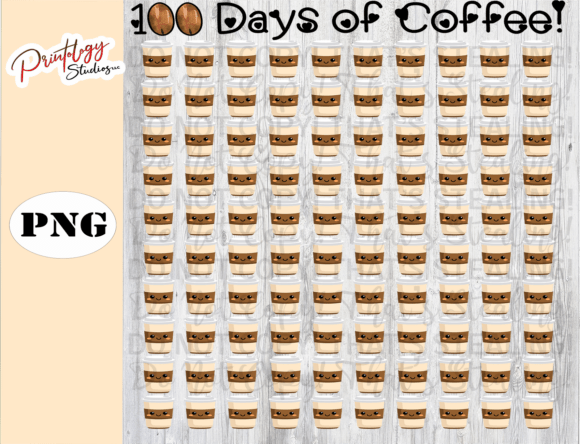
100 Days of Coffee T-Shirt Design
Imagine waking up each morning with a single creative mission: to design a t-shirt that captures the essence of coffee. This is the heart of the 100 Days of Coffee T-Shirt Design. It is a structured creative practice that combines a beloved subject with a versatile product. Whether you are looking to sharpen your skills, build a micro-brand, or simply find a rhythm for your creative energy, this framework offers a unique path forward. It respects that not everyone walks the same journey—some seek profit, others seek purpose, and many seek both.
A Framework for Creative Consistency
At its core, this is a commitment to creating one t-shirt design related to coffee every day for one hundred consecutive days. This is not just about drawing mugs and beans. It is a deep dive into typography, illustration, humor, and aesthetics, all filtered through the lens of coffee culture. For some, it is a personal challenge. For others, it is the start of a business. The beauty lies in its constraints: a finite timeframe and a focused theme. These constraints force creativity rather than limit it. A hobbyist might see it as a fun daily ritual, while a freelancer might see it as a structured curriculum for mastering print-on-demand workflows.
A Living Portfolio for Creatives
For graphic designers and illustrators, this project is a powerhouse portfolio builder. Instead of showing five polished projects, you demonstrate a hundred variations on a theme. It shows potential clients or employers that you can generate ideas consistently, work within a brand voice, and execute across different styles. A beginner might use it to learn the basics of vector art in Adobe Illustrator, focusing on ease of use and simple shapes. A seasoned pro might use it to finally explore that quirky, hand-drawn style they never have time for. The daily output becomes a visual diary of growth. For an educator, this sequence of designs provides a perfect case study for teaching design principles, color theory, and the iterative process.
A Real-World Marketing Lab for Entrepreneurs
For small business owners and marketers, the 100 Days challenge is a low-risk, high-reward marketing lab. Imagine launching a new design every day on a print-on-demand platform. You get instant feedback on what resonates—a witty pun versus a minimalist logo. You build an email list or social media following around the anticipation of "What is Day 47 going to look like?" It is market research disguised as a creative project. The cost is your time, but the data you collect on customer preferences is invaluable. A publisher or blogger could even document the journey, creating a parallel content series about the business of creativity.
- For the solo entrepreneur: This tests product-market fit without a huge inventory investment.
- For the marketer: This generates 100 pieces of shareable content tied to a single narrative.
- For the consumer: This turns a simple t-shirt purchase into a story-driven experience.
Balancing Speed, Quality, and Meaning
One of the biggest questions people ask is: Can you really make something good every single day? The answer depends on your definition of "good." Different audiences naturally prioritize different outcomes. A professional designer might worry about the quality of the final vector file. A business owner might worry about the speed of production and time-to-market. A coffee enthusiast buying the shirt cares about the emotional connection and the story behind the design.
The Beginner's Perspective: Learning Over Polishing
If you are new to design, aim for completion over perfection. The goal is learning. Day 1 might be a simple coffee cup icon. Day 50 might be a complex illustration of a coffee farm. The progress is visible and deeply motivating. Ease of use in your design tools matters here. Can you sketch quickly on an iPad with Procreate? Are you learning vector paths in Affinity Designer? The daily pressure builds proficiency faster than any online course. The learning value is the primary return on investment. You are not building a brand yet; you are building a skill set.
The Professional's Approach: Systems and Flexibility
A pro knows they cannot reinvent the wheel 100 times. They create systems. They might have a template for the t-shirt canvas and focus purely on the central art. They might batch ideas on Sunday and execute them daily during a quick lunch break. For them, flexibility is key. They need a design process that allows for high output without sacrificing their signature quality. The reliability of their tools and workflow is the top priority. A freelancer might use this project to pivot into a niche market, demonstrating to coffee shops that they understand the industry's visual language.
The Consumer's View: Narrative as Value
From a consumer standpoint, a 100-day series is incredibly compelling. It tells a story. Buying the "Day 42" shirt feels different than buying a generic graphic tee. They are buying into the journey. The perceived value is higher because of the narrative. For a coffee enthusiast, it is a way to wear their passion. For a design collector, it is a unique piece of art. For a blogger, reviewing each shirt drop becomes a content series. This is where commercial value meets storytelling. A small business owner tapping into this understands that the "why" behind the design is just as important as the design itself.
Practical Applications for Different Goals
How you approach the 100 Days of Coffee T-Shirt Design depends entirely on what you want to get out of it. There is no single correct way to run the project. Let's look at how three different people might structure the same challenge.
- The Skill Builder (Hobbyist or Beginner): Focus on one technique per week. Week 1: Minimalist line art. Week 2: Retro typography. Week 3: Watercolor textures. Use the project as a structured course. Don't worry about selling anything. The final portfolio of 100 designs is your reward. The key metric here is learning value and personal satisfaction.
- The Brand Builder (Entrepreneur or Creator): Focus on a cohesive aesthetic. Treat it like a product launch. Create a central theme or color palette. Use the designs to tell a story about your specific coffee philosophy (e.g., "For the cold brew lovers," "Minimalist morning rituals"). Track which designs get the most engagement. Your priority is commercial value and brand recognition.
- The Content Creator (Blogger or Marketer): The designs themselves are just the start. The real content is the process. Film time-lapses. Write about the inspiration behind Day 15. Talk about the creative blocks you hit on Day 73. This resonates deeply with an audience. You are providing value beyond the product—you are providing insight into the creative life. Long-term usefulness here means building a loyal community that follows your work.
Is a 100-Day Project Right for You?
Before you dive in, it helps to honestly assess your current situation. A 100-day project is an investment of time and creative energy. Ask yourself these questions to see if it aligns with your needs:
- Do I have 30 to 60 minutes a day dedicated to this? Consistency is more important than duration.
- Am I comfortable sharing imperfect work? Day 1 is rarely a masterpiece, and that is okay.
- What is my primary outcome? If it is learning, focus on technique. If it is earning, focus on market trends.
- Do I thrive on routine? This project relies on daily habits, not bursts of inspiration.
If you are a freelancer looking to break into the merchandise or apparel design space, this is a direct route to building a specialized portfolio that speaks directly to a passionate niche. If you are a small café owner looking for unique merch to sell at the counter, this could be a way to generate an entire product line in just over three months. If you are simply a coffee lover who wants to explore their creative side, this is a welcoming and structured entry point.
The 100 Days of Coffee T-Shirt Design is not a prescription for overnight success. It is a framework for showing up consistently. It respects that different people have different priorities—some need speed to market, others need deep creative satisfaction, and others need a structured learning path. The project is scalable, adaptable, and deeply human. It turns a fleeting idea into a tangible collection of work, one cup of coffee at a time. Whether you are sketching in a notebook or building a business, the only way to start is with Day 1.