3 Free Wavy Line Backgrounds: Transparent Designs for Every Creative Need
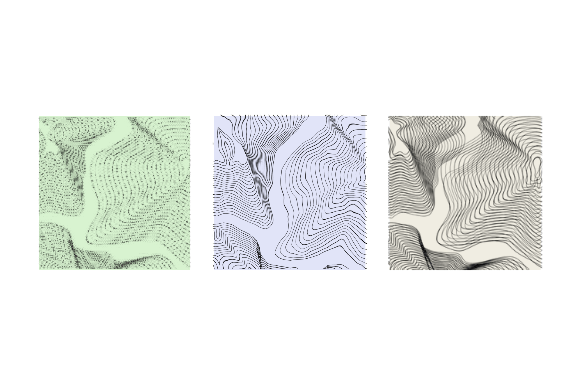
If you’ve ever spent time searching for a background that adds movement without overpowering your content, you know the struggle. Many stock graphics are either too busy, too static, or come with licensing restrictions that slow down a project. That’s exactly where the 3 Free Wavy Line Backgrounds – Transpare come in. These are high-quality, transparent overlays featuring flowing, organic wave patterns. Because the backgrounds are transparent, they sit subtly over any solid color, image, or gradient you already have. You don’t need to redesign from scratch—just layer them in and adjust the opacity. Whether you’re preparing a client pitch, decorating a personal blog, or building educational handouts, these waves bring a soft, modern feel without stealing attention.
Everyday Creative Projects That Benefit from Wavy Line Backgrounds
Most people don’t realize how often a simple background can be the missing piece. In daily work, we tend to focus on text, images, and layout, but the area behind everything sets the tone. Transparent wavy line backgrounds work well because they add texture while keeping the focus on your main message.
Presentations and Slide Decks
Think about your last slide deck. Maybe it was clean but a little flat. Adding a subtle wavy overlay to your title slide or section headers creates an immediate visual rhythm. The transparency allows your brand color to show through, so you don’t end up with a mismatch. A friend who runs a small marketing consultancy uses these waves on her monthly client reports. She places a dark blue background, then layers a wavy line pattern at 30% opacity on the cover slide. The result looks custom-made, yet it took her less than two minutes. For internal team presentations, the same approach works to break up bullet-heavy slides without adding distracting clip art.
Social Media Graphics
Social platforms are crowded. A unique background can help your post stand out in a feed, but you don’t want it to confuse the message. With transparent wavy lines, you can place text directly over the waves and still read it clearly. For example, an entrepreneur I follow uses these backgrounds for her weekly Instagram quote cards. She picks a pastel solid color, overlays a wavy pattern, and then types her quote in a bold font. The wave adds a feeling of flow and calm, which fits her brand’s tone. The same technique works for LinkedIn banner images, Facebook event covers, or even as subtle backgrounds for profile pictures.
Blog and Website Headers
A static website header can feel dated, but full-motion video backgrounds often slow down page load times. A smart middle ground is a wavy line background that suggests movement without animation. Because the file is just a static image with transparency, it loads quickly and scales across devices. I helped a local bakery redesign their website recently. Instead of a generic stock photo, we used a soft peach gradient with a white wavy overlay on the hero section. The result felt warm and inviting without being too literal. The bakery owner noticed more time spent on the homepage because visitors lingered on the visual rather than clicking away to find content.
Professional Use Cases for Marketers and Designers
Marketers and designers often juggle multiple deliverables with tight deadlines. Having a lightweight resource like these wavy line backgrounds can shave off minutes per task, which adds up over a week.
Email Newsletters
Email design is notoriously tricky because different clients render backgrounds inconsistently. But a transparent PNG overlay embedded in an image can create a consistent look. For example, you can design a top banner for your newsletter that uses a wavy line pattern behind the headline. The transparency ensures the background color of the email shows through, so you only need to produce one version. A digital marketer I know uses the waves as a subtle divider between sections in her monthly newsletter. She places a solid color bar, then adds the wavy overlay on top. It breaks the long scroll into digestible chunks and reinforces brand style without requiring custom graphics.
Product Mockups and Branding Elements
When presenting mockups to clients, a beautiful background can elevate the perceived quality of the work. Rather than dropping a product image onto a plain white canvas, add a wavy line background to the mockup scene. The transparency allows the background color to complement your product. I’ve seen packaging designers use these waves on bottle labels and box fronts as an understated pattern. The waves suggest fluidity, which works particularly well for skincare, beverages, or wellness brands. For branding guidelines, a wavy line can serve as a secondary pattern in the style guide—easy to reproduce and flexible across applications.
Educational and Training Materials
Teachers, trainers, and course creators often produce materials that need to be both informative and visually engaging. Dry PDFs and worksheets can cause learners to lose focus. Transparent wavy line backgrounds offer a simple way to add aesthetic value without cluttering the content.
Handouts and Workbooks
Imagine a two-page worksheet for a workshop. You want the exercises to be clear, but you also want participants to feel the material is polished. Adding a faint wavy pattern behind the title area or along the margins makes the handout look professionally designed. One educator I worked with used these waves on her middle school science worksheets. She chose a light blue transparency at 20% so the text remained readable. Students responded positively—several mentioned the sheets looked “cooler” than usual. Small touches like that can improve engagement, especially when teaching younger audiences.
Online Course Slides
Online courses rely heavily on slides or screen captures. A consistent background across all slides creates a sense of branded course identity. Instead of using different photos for each module, you can set a base color and apply the wavy overlay to all section slides. The transparency means you can change the color for each module (like blue for Module 1, green for Module 2) but keep the same pattern. A creator I follow uses this exact approach for his video-based courses. He says it saves hours of design time per course and makes the series feel cohesive. The waves also add a gentle animation effect when he transitions between slides, even though they are static.
Personal and Hobby Applications
Not everyone uses backgrounds for business. Many people enjoy creating for themselves or hosting events. These free backgrounds are just as valuable for personal projects.
Invitations and Event Flyers
When planning a birthday party, baby shower, or casual get-together, you might not want to hire a designer. Using a transparent wavy line background, you can create elegant digital invitations with free tools like Canva or Photoshop. The waves add a celebratory feel without resorting to childish graphics. I made invitations for a friend’s housewarming using a warm coral background with a white wavy overlay. The final look was sophisticated enough for adults but still playful. The transparency allowed me to layer text for the date and location over the wave pattern without clashing.
Digital Scrapbooking and Journaling
For hobbyists who keep digital journals or scrapbooks, wavy line backgrounds can serve as page accents. They work well as a base for photo collages or as a border element. Because they are transparent, you can place them over patterned paper textures or solid colors. One scrapbooking enthusiast I know uses the waves to create section dividers in her yearly memory album. She treats each month as a chapter and adds a different base color with the same wavy overlay. The consistent pattern ties the whole album together, while the colors mark the seasonal changes.
What to Consider Before Downloading and Using These Backgrounds
Even though these resources are free and transparent, there are a few practical points to keep in mind so you get the best results.
First, check the file format. Most transparent backgrounds come as PNG files. A PNG works for nearly every use case, from web to print. If you receive a JPG, the transparency is lost, so always confirm the format before downloading. Second, consider the resolution. If you plan to print large posters or banners, make sure the wavy line file is large enough to avoid pixelation. For digital screens, standard sizes like 1920×1080 are usually sufficient. Third, think about the wave style. Some waves are thin and elegant, others are thick and bold. The free set likely includes a variety. Test each one over your chosen background color to see which matches your message. For a serious business report, a subtle, thin wave works better. For a creative event flyer, a more pronounced wave might be appropriate.
Also review the licensing terms. Free resources sometimes require attribution or restrict commercial use. Even if the background is labeled “free,” double-check that you can use it in products you sell or on client projects. Many creators offer these waves under a no-attribute license, but it’s wise to confirm. Lastly, avoid overuse. Adding wavy line backgrounds to every element can make your design feel busy. Use them sparingly—on hero sections, covers, or as accents. Too many waves across one page can compete with your content.
How Different Users Get Real Value from Transparent Wavy Lines
The beauty of a simple resource like this is that it adapts to your existing workflow rather than forcing you to learn new tools. Freelancers gain speed: instead of creating a custom pattern from scratch, they drop in a transparent wavy background and move on to the next task. Small business owners get consistency: they can use the same wavy line across social media, email, and print materials, building brand recognition without hiring a designer. Educators save budget: free backgrounds mean they don’t need to purchase expensive stock photo subscriptions just to make worksheets look appealing.
Hobbyists and creators who are just starting out also benefit. A polished background can help a new blog or Etsy shop appear more professional, which builds trust with visitors. Even if your design skills are limited, layering a transparent wavy line is straightforward—open your design tool, import the file, and adjust the opacity to taste. That small step can transform a plain layout into something memorable.
From a technical perspective, the transparency of these backgrounds makes them future-proof. As your brand colors evolve, you don’t need to download new backgrounds. You just change the underlying color, and the wave adapts. This flexibility is especially valuable for creators who work across multiple platforms or who update their visual identity frequently.
When you download the 3 Free Wavy Line Backgrounds – Transpare, you’re essentially getting three tools that can be used in dozens of ways. The real limitation isn’t the file—it’s your imagination. Try them behind a quote image, use one as a watermark on your portfolio samples, or experiment with different opacities to discover a look that feels uniquely yours. The more you use them, the more applications you’ll notice in everyday projects.
Backgrounds often get treated as an afterthought. But the ones that are transparent, versatile, and free to use change how you approach design. Instead of searching for the perfect image, you can build the perfect foundation. Wavy line backgrounds bring a sense of motion and fluidity that still images sometimes lack. And because you can see through them, the final result always feels intentional, not cluttered. That combination of ease and elegance is why these three free backgrounds are worth adding to your creative toolkit today.