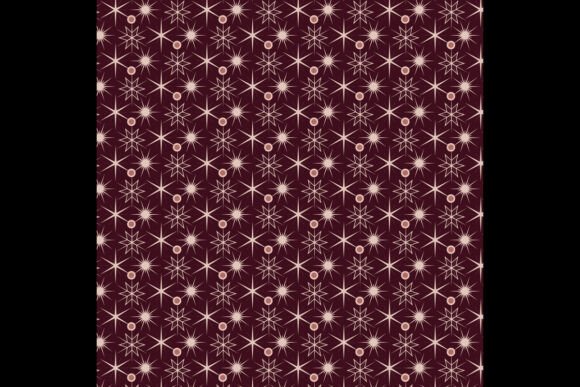
Seamless Geometric Pattern Design: A Modern Tool for Creatives and Professionals
Patterns surround us. They appear in the fabrics we wear, the walls we decorate, and the digital interfaces we navigate daily. Among these, seamless geometric pattern design holds a unique place — it blends mathematical precision with artistic expression. For designers, marketers, and business owners alike, mastering this craft opens doors to visual consistency and brand recognition. Whether you are building a website, developing product packaging, or creating social media assets, understanding how these patterns work can elevate your output considerably.
What Seamless Geometric Pattern Design Really Means
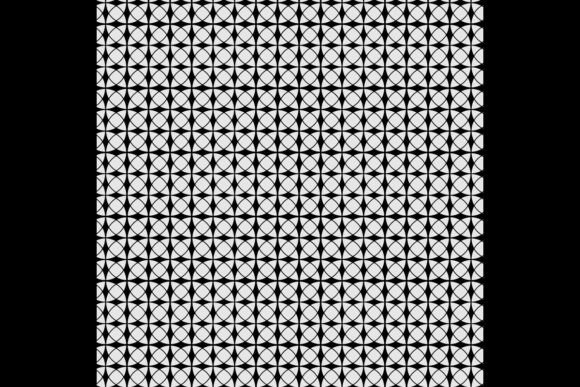
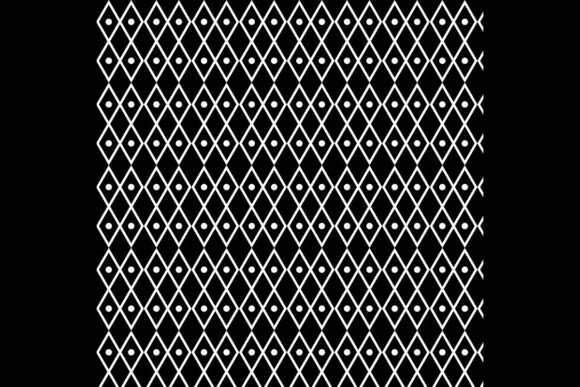
At its core, a seamless geometric pattern repeats infinitely without visible breaks or awkward transitions. The geometry comes from shapes like triangles, hexagons, circles, and diamonds arranged in structured grids or organic tessellations. The "seamless" aspect ensures that when the pattern tiles across any surface — digital or physical — the eye perceives a continuous, harmonious flow.
This type of design is not new. Islamic art, Roman mosaics, and Indigenous textile traditions all relied on geometric repetition. What has changed is the accessibility. Modern software, from vector editing tools to procedural generation plugins, allows anyone with basic design literacy to create complex patterns in minutes. The barrier to entry has dropped, but the demand for originality has risen.
Why This Topic Matters Now
Several converging trends make seamless geometric pattern design particularly relevant today.
Rise of digital-first branding
Businesses now operate across multiple digital touchpoints — websites, apps, email newsletters, and social media. A consistent visual language across these channels builds trust. Seamless patterns serve as a subtle but powerful background element that reinforces brand identity without overwhelming content. A fintech startup might use clean, angular patterns to convey precision, while a wellness brand might lean on soft, rounded geometries to evoke calm.
Remote collaboration and asset sharing
As teams work distributed, the need for shareable, scalable design assets has grown. A seamlessly repeating pattern can be exported once and used by anyone on the team, in any project, without worrying about resolution or alignment. This efficiency appeals to freelancers, marketing teams, and product developers who need to move quickly.
Sustainability in physical production
In print and textile manufacturing, seamless patterns reduce material waste. When a pattern repeats perfectly, printers and fabric cutters can maximize material usage. For small business owners producing limited runs of merchandise or packaging, this translates to cost savings and less environmental impact. The practical benefit aligns with growing consumer expectations around sustainability.
How Seamless Geometric Pattern Design Has Evolved
Decades ago, creating a seamless pattern required manual tiling — cutting, pasting, and adjusting by hand. Mistakes were common, and corrections took time. Today, the process is largely digital, but the core principles remain rooted in geometry and repetition.
The evolution can be tracked through three key phases:
- Manual craftsmanship: Artists and artisans built patterns by hand using rulers, compasses, and repeat grids. This approach demanded precision but limited complexity.
- Early digital tools: The introduction of bitmap editors and basic vector software made tiling easier, but pattern alignment still required careful pixel-level adjustment.
- Procedural and AI-assisted generation: Current tools allow designers to define rules — symmetry, rotation, scaling — and let algorithms generate thousands of variations. The designer curates rather than constructs.
This shift does not mean skill is obsolete. On the contrary, understanding geometric principles helps you guide algorithms toward meaningful results rather than random output. The best patterns come from human intent paired with machine efficiency.
Practical Implications for Different Audiences
The value of seamless geometric pattern design extends beyond the designer’s studio. Here is how different professionals can put it to use.
For marketers and brand managers
A well-chosen geometric pattern can become a brand signature. Think of the angled stripes of a sports brand or the hexagonal grid of a tech company. These patterns work as backgrounds, accent elements, or even full-on packaging designs. They create visual rhythm that guides the eye and reinforces recall. When planning a campaign, consider commissioning a custom seamless pattern rather than relying on stock imagery. It signals attention to detail.
For web developers and UI designers
Seamless patterns are lightweight compared to full-screen images. A repeating SVG or CSS pattern loads quickly and scales across devices. This matters for performance and accessibility. You can use geometric patterns to define sections of a page, highlight calls to action, or add texture to flat design without bloating file sizes. Modern CSS and canvas APIs make implementation straightforward.
For educators and content creators
Teaching geometry or design principles? Seamless patterns offer a tangible way to explore symmetry, tiling, and spatial reasoning. Students can create patterns by hand and then translate them into digital formats. The activity bridges art and math, appealing to diverse learning styles. For content creators, patterns add visual interest to slides, thumbnails, and video backgrounds without distracting from the core message.
For small business owners and entrepreneurs
Product photography, social media graphics, and website headers all benefit from consistent backgrounds. A seamless pattern that reflects your brand colors and ethos costs little to produce but pays dividends in perceived professionalism. You can also apply patterns to physical products — notebooks, wrapping paper, tote bags — creating a cohesive product line without needing a massive design budget.
Getting Practical: Creating Your Own Seamless Geometric Patterns
You do not need to be a professional designer to make effective patterns. Here is a grounded approach that balances creativity with technical accuracy.
- Start with simple geometry: Choose one or two basic shapes. Triangles, squares, and hexagons are forgiving and naturally lend themselves to tiling. Experiment with spacing and rotation before adding complexity.
- Define a repeat tile: Work within a fixed canvas size — 500 by 500 pixels is common. Ensure that elements that touch the left edge also appear on the right, and top elements repeat at the bottom. Most vector and raster tools include a "pattern preview" mode that shows how the tile repeats.
- Mind the seam: The most common mistake is visible lines or gaps where tiles meet. Use features like "offset" filters or manual alignment guides to check continuity. Zoom in and inspect edges carefully.
- Test at different scales: A pattern that looks good on a screen may feel overwhelming or too sparse when printed large. Export your pattern at multiple sizes and test it against real use cases — a phone wallpaper, a business card, a poster.
- Optimize for output: For digital use, consider file size and format. SVGs are ideal for vector patterns. For print, ensure resolution is at least 300 DPI and colors match your intended palette.
Current Trends Shaping the Field
Several movements are influencing how seamless geometric pattern design is practiced and perceived.
Biophilic design — the integration of natural elements into built environments — has popularized organic geometries. Patterns that mimic honeycomb, leaf venation, or crystal structures are appearing in architecture, interiors, and digital interfaces. These patterns feel familiar yet abstract, bridging nature and structure.
Retro and minimalist revivals — geometric patterns from the Art Deco, Bauhaus, and Memphis design eras are being reimagined for modern contexts. Designers are combining bold, colorful geometries with clean layouts to create nostalgic but fresh visuals.
Animation and motion — static patterns are giving way to subtle animated versions. A background pattern that shifts slightly on hover or rotates slowly adds depth without heavy performance costs. CSS keyframes or lightweight JavaScript can handle this easily.
These trends point to a broader truth: seamless geometric pattern design is no longer a niche specialty. It is a practical, versatile tool that anyone creating visual content should consider adding to their repertoire.
Integrating Patterns into a Broader Visual Strategy
A pattern should never compete with content. When used well, it supports and enhances. Here are some guidelines to keep in mind.
- Use patterns as texture, not focus. Let them fill negative space rather than draw the eye away from headlines or calls to action.
- Align pattern density with brand personality. High density and tight repetition suggest energy and complexity. Loose, sparse patterns feel open and calm.
- Consider accessibility. High-contrast patterns can cause visual fatigue or trigger discomfort for some viewers. Test patterns against plain backgrounds and ensure text remains readable.
- Keep a library. As you create patterns for different projects, save them in an organized asset library. Over time, you build a resource you can draw from quickly.
The Role of Tools and Technology
The tools available today are powerful, but they are only as good as the thinking behind them. Vector editors like Adobe Illustrator, Affinity Designer, and Inkscape include dedicated pattern creation features. For those comfortable with code, tools like SVG.js or Processing offer fine-grained control over geometric generation. Even no-code platforms like Canva and Figma now include pattern templates that can be customized.
The choice of tool depends on your goals. If you are producing one pattern for a specific project, a visual editor is likely fastest. If you need to generate many variations or integrate patterns into a larger automated workflow, a code-based approach offers more flexibility. Neither is inherently better — they serve different needs.
Looking Ahead Without Overpromising
Seamless geometric pattern design will likely become more integrated with interactive and responsive systems. Imagine a website background that adapts its pattern density based on the user's screen size or a product that generates a unique pattern for each customer based on order data. These possibilities are technically feasible today, though adoption will depend on practical demand and tool accessibility.
What is certain is that the fundamentals — symmetry, repetition, scale, and continuity — will remain relevant. Whether you work with pen and paper or generative AI, the ability to create a pattern that feels intentional and cohesive is a skill worth cultivating. It sits at the intersection of art, mathematics, and utility, and it rewards patience as much as creativity.
For professionals across marketing, development, education, and entrepreneurship, investing a little time in understanding seamless geometric pattern design offers a tangible payoff: visuals that look polished, load quickly, and communicate consistency. That combination is hard to beat in any field.