The Art of the St Patrick’s Day PNG Brushstroke Shamrock: Design, Meaning, and Modern Use
Every March, digital creators and business owners alike begin searching for fresh ways to celebrate Irish heritage without relying on tired clip art or overly literal imagery. The St Patrick’s Day PNG brushstroke shamrock has emerged as a versatile design element that bridges traditional symbolism with contemporary aesthetics. Unlike rigid vector icons or hyper-detailed photographs, the brushstroke shamrock offers a handcrafted feel that resonates with audiences seeking authenticity in a polished digital world.
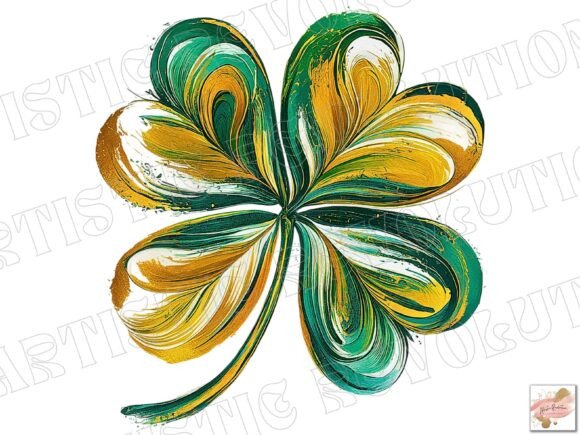
At its core, a brushstroke shamrock is exactly what it sounds like—a three-leaf clover rendered with visible brush marks, texture, and movement. When delivered as a PNG file, it comes with a transparent background, making it easy to layer over other designs, print materials, or social media graphics. This combination of artistry and utility explains why designers, marketers, and hobbyists keep returning to this format year after year.
Why the Brushstroke Style Matters Now
Design trends have shifted noticeably over the past several years. Flat, minimalist icons still have their place, but there is growing appetite for visuals that feel human and imperfect. Brushstroke elements introduce organic variation—thicker lines here, lighter touches there—that mimic the natural motion of a paintbrush or pen. This texture adds warmth and personality to otherwise digital compositions.
For St Patrick’s Day specifically, the brushstroke approach fits the holiday’s spirit. The shamrock is a symbol deeply tied to Irish culture, storytelling, and nature. A rigid, computer-generated version can feel sterile and disconnected from that heritage. A brushstroke rendition, by contrast, evokes craftsmanship and tradition. It suggests the kind of hand-drawn illustration you might find on a pub chalkboard or a handwritten festival banner, which aligns perfectly with the communal, celebratory mood of the season.
Business owners and marketers have taken notice. A local brewery promoting its St Patrick’s Day special, a boutique offering themed merchandise, or a blogger creating shareable content all benefit from imagery that stands out in crowded feeds. The brushstroke shamrock cuts through the noise because it looks different—more artistic, less generic. It signals that the brand put thought into its visuals, which builds trust and engagement.
How the PNG Format Enhances Practical Workflows
The PNG format itself deserves attention. Unlike JPEGs, which compress and lose background data, PNG files preserve transparency. This means you can drop a brushstroke shamrock onto any colored background, photo, or pattern without a distracting white box around it. For designers working across multiple platforms, this flexibility is invaluable.
Consider a freelance social media manager handling posts for a restaurant chain. She needs to create a series of Instagram Stories, a Facebook event banner, and a printed table tent—all featuring the shamrock. With a high-quality PNG brushstroke asset, she can resize, recolor, and reposition the element without starting from scratch each time. The transparency saves hours of masking or cutting out backgrounds manually.
Similarly, an Etsy seller crafting digital invitations or printable party decor can offer customers a ready-to-use brushstroke shamrock PNG. Buyers can download the file and immediately incorporate it into their own projects using Canva, Photoshop, or even a free online editor. This simplicity lowers the barrier to creating polished, cohesive celebrations, which is exactly what busy adults need during a holiday that sneaks up every March.
Evolution of the Shamrock in Digital Design
The shamrock has been a staple of Irish imagery for centuries, but its digital representation has evolved considerably. Early web graphics often featured simple green clip art with uniform lines and flat colors. As design tools improved, designers began experimenting with gradients, shadows, and 3D effects. These looked more sophisticated but sometimes felt heavy or dated.
The brushstroke style represents a return to fundamentals—line, texture, and gesture—but with modern execution. Today’s brushstroke shamrocks are often created using digital tablets and pressure-sensitive brushes that simulate real paint or ink. Artists can control the opacity, width, and flow of each stroke, producing results that feel both deliberate and spontaneous. This blend of control and organic expression is difficult to achieve with traditional media alone, which is why the PNG brushstroke shamrock has become a sought-after asset in design marketplaces.
Another factor driving interest is the broader cultural shift toward handmade and artisanal aesthetics. From handwritten typography to textured paper backgrounds, consumers increasingly value imperfection as a marker of authenticity. Brands that adopt these visual cues appear more relatable and trustworthy. The brushstroke shamrock fits naturally into this trend because it carries the same handmade appeal, even when delivered as a digital download.
Practical Considerations for Creators and Businesses
If you are considering using or creating a St Patrick’s Day PNG brushstroke shamrock, a few practical points can make the difference between a standout asset and a forgettable one.
Resolution and Scalability
A good brushstroke PNG should be high resolution—at least 300 DPI for print and 150–200 PPI for screen use. This ensures the texture remains crisp whether the shamrock appears on a business card or a billboard. Many marketplaces offer files at 4000 pixels or larger, which is ideal for flexible scaling.
Color Variations
Traditional green is expected, but don’t overlook the value of alternative colorways. Gold brushstroke shamrocks work beautifully for metallic foil effects in print. Dark greens, muted sage, or even black can suit more understated or modern branding. Offering a set of colors within one PNG pack gives users creative freedom while maintaining consistency.
File Organization
For sellers and designers, clear file naming and organization matter. A bundle might include separate PNG files for each color variation, plus a layered source file if the customer wants to edit individual strokes. Including a simple usage guide—even a short text file—helps non-designers feel confident using the asset correctly.
Integrating the Shamrock into Broader Campaigns
The brushstroke shamrock rarely works in isolation. Savvy marketers pair it with complementary elements like textured backgrounds, Celtic knot patterns, or minimalist green-and-white color palettes. A social media post might feature a brushstroke shamrock overlaid on a photo of a crowded pub or a countryside landscape. The contrast between the hand-drawn icon and the photographic backdrop creates visual interest and reinforces the holiday theme without overwhelming the viewer.
Email marketers also find value in these assets. A St Patrick’s Day promotion email with a brushstroke shamrock in the header or call-to-action button feels more festive and intentional than plain text or a generic icon. Since many email clients block images by default, a strong, recognizable shape like the shamrock still communicates the holiday theme even when the image doesn’t load immediately.
Physical merchandise presents another opportunity. T-shirts, tote bags, and mugs printed with a brushstroke shamrock appeal to customers who want something beyond the standard mass-produced designs. The brushstroke texture translates well to screen printing and embroidery, retaining its handmade character in tangible form.
Where to Find and How to Choose Quality Assets
Design marketplaces like Creative Market, Envato Elements, and Etsy host thousands of brushstroke shamrock PNGs. When evaluating options, look for samples that show the asset used in context—not just the isolated icon. A thumbnail that demonstrates the shamrock over a dark background, a light background, and a patterned surface gives a clearer idea of its real-world performance.
Read product descriptions carefully. Some listings specify whether the PNG includes a transparent background, whether the design is hand-painted or digitally simulated, and what software the creator used. Customer reviews often mention how well the file worked for specific projects, which can guide your choice.
If you are creating your own brushstroke shamrock, invest time in experimenting with brush settings. A round brush with size and opacity jitter can mimic natural paint application. Layering multiple strokes—some darker, some lighter—adds depth. Work in a large canvas to preserve detail, then export at the sizes you expect to use. Testing the design against different background colors early in the process prevents surprises later.
Looking Ahead: Staying Fresh Without Chasing Fads
The brushstroke style shows no signs of fading, but its application will continue to evolve. As augmented reality and interactive media become more common, we may see animated brushstroke shamrocks that reveal their stroke sequence as a user scrolls or taps. For now, the static PNG remains the most accessible and widely supported format for both digital and print use.
What will not change is the need for genuine, well-crafted visual assets. Audiences can detect when a design was thrown together in five minutes. A St Patrick’s Day PNG brushstroke shamrock, when thoughtfully designed and properly prepared, communicates care, creativity, and respect for the symbol it represents. Whether you are promoting a sale, decorating a website, or selling printable art, that level of quality pays dividends in engagement and trust.
The best approach is to choose or create assets that align with your brand’s voice and your audience’s expectations. If your brand is playful and vibrant, go for bold green strokes with visible texture. If your brand is minimalist or upscale, consider a single delicate stroke in a muted tone. The flexibility of the PNG brushstroke format accommodates both directions, making it a practical and enduring choice for St Patrick’s Day design year after year.