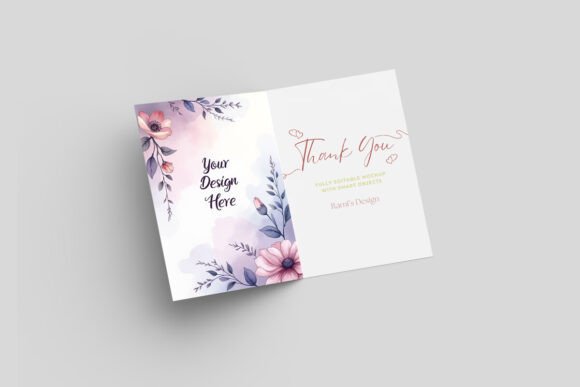
Using a Greeting Card Mockup Strategically for Brand Communication and Design Planning
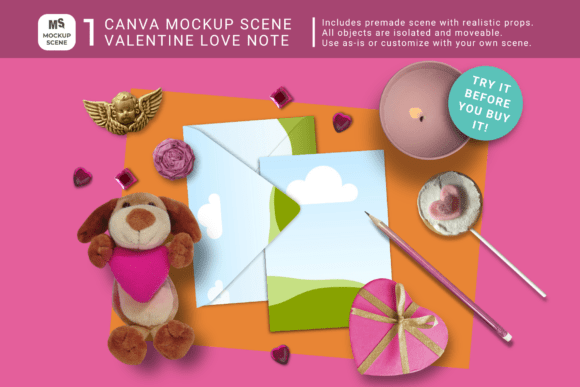
A greeting card mockup is a pre-designed template that shows how a final printed card will look, complete with placement for artwork, text, and finishes. On the surface, it seems like a simple design tool. But when approached with intention, a greeting card mockup becomes far more than a placeholder. It becomes a planning instrument, a communication aid, and a bridge between creative ideas and tangible outcomes. For entrepreneurs, marketers, creators, and small business owners, understanding how to use mockups in a strategic way can lead to clearer brand messaging, faster production cycles, and more thoughtful customer experiences.
The value of a greeting card mockup lies not in the template itself, but in how you use it to test assumptions, align stakeholders, and refine your message before committing to print. Whether you are launching a seasonal campaign, developing a product line, or simply trying to improve your visual identity, a mockup can help you see what works before it costs you time or money.
What a Greeting Card Mockup Actually Offers Beyond Appearance
Most people think of a mockup as a way to preview a design. That is accurate, but it undersells the tool. A well-structured greeting card mockup allows you to evaluate layout hierarchy, typography legibility, color contrast, and spatial balance in a realistic context. You can see how the front and inside work together, how the fold affects readability, and how the card feels as a physical object.
For a business owner or marketer, this means you can test multiple versions of a message before settling on one. You might try different headline placements, adjust the tone of the copy, or experiment with visual styles. The mockup becomes a safe space for iteration. You are not guessing how the final product will look. You are seeing it, adjusting it, and confirming it works for your audience.
This is particularly valuable when you are working with a team, a freelance designer, or a printer. A greeting card mockup gives everyone a shared reference point. Instead of describing what you want, you show it. That reduces miscommunication, shortens revision cycles, and helps you make decisions based on evidence rather than opinion.
Strategic Uses for a Greeting Card Mockup in Brand Communication
Brand communication is about consistency and clarity. Every piece of printed material you produce, whether a thank-you note, a holiday card, or a promotional mailer, reflects your brand’s tone, values, and attention to detail. A greeting card mockup helps you ensure that reflection is accurate before you mass-produce.
Consider a small business planning a seasonal mailing. You have a list of loyal customers, a promotion to announce, and a limited budget. Instead of designing in a vacuum, you build a mockup that includes your logo, your chosen color palette, your offer copy, and any imagery. You print a single proof or render a digital version. Then you evaluate: Does this card feel on-brand? Does the offer stand out? Is the call to action clear? The mockup gives you a chance to catch mismatches between your intent and your execution.
For larger organizations, a greeting card mockup can serve as a template for multiple campaigns. Once you finalize a layout that works, you reuse the structure across different seasons or messages. This saves time and reinforces brand recognition. Customers begin to associate the format with your brand, which builds familiarity and trust over time.
Aligning Creative Vision with Operational Reality
One of the less obvious benefits of a greeting card mockup is its role in operations. When you finalize a mockup, you have concrete specs: dimensions, paper weight, finish, envelope size, and printing method. This information is essential for ordering materials, estimating costs, and scheduling production. Without a mockup, you might underestimate paper waste, misjudge shipping logistics, or order the wrong envelope size.
For a freelancer or small business owner handling production yourself, the mockup becomes a checklist. You know exactly what you need to buy, how many pieces you can produce, and how long each stage will take. That level of clarity reduces stress and prevents last-minute surprises.
For those working with external printers, a well-prepared greeting card mockup with proper bleed margins, color profiles, and resolution settings shows professionalism. It signals that you understand the production process, which often leads to better service and fewer errors from the print shop.
When and How to Approach a Greeting Card Mockup
Timing matters. The best time to use a greeting card mockup is early in your planning process, after you have a draft concept but before you commit to final design or production. At this stage, the mockup helps you test direction without locking in details. You can explore multiple visual approaches, compare them side by side, and choose the one that aligns best with your goals.
Here is a practical approach:
- Start with your objective. Are you sending a thank-you note to build loyalty, a holiday card to maintain connection, or a promotional piece to drive sales? Your objective determines the tone, layout, and information priority.
- Sketch or wireframe the content. Before opening a mockup, decide what text and images you need. Keep it minimal. A cluttered card dilutes your message.
- Choose a mockup template that matches your planned format. Look for options that include front, inside, and back views. The more realistic the mockup, the better your evaluation.
- Place your content and review. Pay attention to how text wraps around images, how the fold interrupts the flow, and how the card looks when held. If something feels off, adjust before proceeding.
- Share with a colleague or trusted customer. Get feedback from someone who represents your target audience. Ask specific questions: Does the message feel personal? Is the design distracting? Would you keep this card?
This process does not take long, but it saves you from producing cards that miss the mark. It also gives you confidence that what you send represents your brand well.
Practical Examples Across Different Use Cases
Imagine a wedding photographer who sends thank-you cards to clients after each event. Using a greeting card mockup, the photographer can test different photo placements, font styles, and paper finishes to find a combination that feels elegant and personal. Once perfected, the same mockup structure is reused for every client, with only the photo and names swapped. This creates a consistent client experience while allowing for customization.
A nonprofit organization planning a year-end appeal might use a greeting card mockup to test emotional impact. They can place the call to action on the inside flap versus the back panel, see how the message reads in context, and choose the layout that feels most natural. The mockup also helps them estimate printing costs accurately, ensuring more of the budget goes to the cause rather than production errors.
A freelance educator who sells printable greeting cards on an online shop can use mockups to create realistic product previews. These previews help customers visualize the finished product, which increases purchase confidence and reduces returns. In this case, the mockup is not just a planning tool; it is a sales asset that directly supports revenue.
Risks of Relying on a Greeting Card Mockup Without Clear Goals
Using a greeting card mockup without a clear purpose can lead to wasted time or misleading decisions. If you start with a mockup before you have defined your message, you may end up designing around the template rather than the content. The layout drives the message, when it should be the other way around.
Another risk is over-polishing the mockup at the expense of substance. Spending hours on shadows, textures, and lighting effects in a digital mockup may create a beautiful rendering, but if the actual card lacks compelling copy or a meaningful offer, the final product will disappoint. The mockup should serve the message, not replace it.
There is also the danger of relying too heavily on a single mockup without considering alternative formats. A greeting card is a specific medium with constraints. If you are trying to communicate complex information, a postcard or a folded brochure might serve you better. The mockup can confirm that a greeting card is the right vehicle, but only if you are honest about what the format can and cannot do.
For those working with external designers or printers, presenting a mockup that is too polished can create false expectations. The client or stakeholder may expect the final product to match the mockup exactly, even if the mockup uses effects that are not achievable at scale. Be transparent about what is a realistic representation and what is aspirational.
Decision-Making Guidance for Using Greeting Card Mockups Intentionally
To use a greeting card mockup effectively, you need to treat it as a decision-making tool, not a design finish line. Ask yourself a few questions before you begin:
- What specific decision am I trying to make with this mockup? Is it about layout, color, copy, or format?
- Who needs to see this mockup, and what feedback am I seeking from them?
- What constraints do I have—budget, timeline, printing method—that should influence my choices?
- How will I know if the mockup has served its purpose?
When you answer these questions honestly, the mockup becomes a focused tool. You are not just playing with design; you are testing a hypothesis, validating a decision, or aligning a team. That shift in mindset transforms the mockup from a nice-to-have into a strategic asset.
It also helps to limit how many mockups you create for a single project. Too many options can lead to decision fatigue and dilute your focus. Aim for two or three distinct directions at most. Compare them against your original objective, pick the strongest, and then refine that one until it feels right.
Long-Term Value and Integration into Your Workflow
When you integrate a greeting card mockup into your regular planning and production workflow, the benefits compound over time. You develop a sense of what works for your audience, your brand, and your operational capacity. Each project teaches you something that carries into the next.
For a small business owner, this means fewer missteps and more consistent brand touchpoints. For a marketer, it means faster campaign turnarounds and more predictable results. For a creator, it means more time spent on meaningful work and less on fixing preventable errors.
A well-maintained library of mockup templates, adapted to your common card formats and brand guidelines, becomes a resource you can reach for anytime you need to communicate through print. You are not starting from scratch each time. You are building on proven structures, which frees up mental energy for the creative and strategic decisions that matter most.
Ultimately, a greeting card mockup is not about making something look nice. It is about making sure your message reaches the right person in the right way, with the right level of care. Used thoughtfully, it supports better communication, stronger branding, and more efficient operations. Used without intention, it becomes just another file in your folder. The difference lies in how you choose to use it.