Valentine's Day Pink Smiles and Stars
When planning a celebration for Valentine's Day, many face a familiar challenge: finding an approach that feels both personal and meaningful without falling into predictable patterns. Valentine's Day Pink Smiles and Stars offers a structured yet flexible concept that reframes the holiday around three symbolic pillars: emotional warmth (pink), genuine joy (smiles), and aspirational connection (stars). This article provides a balanced evaluation, helping you determine how well this framework aligns with your relationship goals, expectations, and circumstances.
Understanding Valentine's Day Pink Smiles and Stars
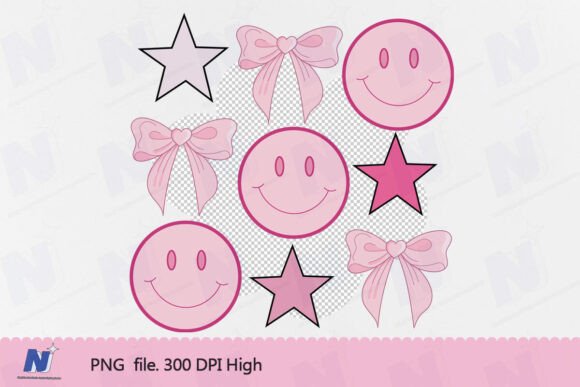
Valentine's Day Pink Smiles and Stars is not a single product or event but a curated thematic approach to celebrating the holiday. It combines a visual and emotional aesthetic—pink representing tenderness and affection—with two behavioral anchors: creating authentic happiness (smiles) and setting shared aspirations or memorable moments (stars). The concept can be realized through a themed gift bundle, a planned date itinerary, or a mindfulness activity such as writing "star goals" for the relationship.
At its core, this framework emphasizes intentionality. The pink element often translates into colors, decorations, or flowers; the smiles component encourages activities that prompt genuine laughter or joy; and the stars element invites reflection on shared dreams or memorable experiences. For example, a couple might exchange pink-themed gifts, then watch a comedy together (smiles), and later stargaze while discussing future plans (stars).
Key characteristics include:
- Visual consistency: Pink accents and star motifs create a cohesive aesthetic
- Emotional depth: Focus moves beyond material tokens to shared experiences
- Flexibility: Can be scaled for different budgets, time frames, or relationship stages
Why Someone Might Be Interested in This Approach
People often gravitate toward Valentine's Day Pink Smiles and Stars when they feel traditional celebrations have become routine or overly commercial. The framework offers a middle ground between spontaneous romance and rigid planning. Others are drawn to its multi-sensory nature—the visual appeal of pink, the auditory and emotional effect of laughter, and the symbolic resonance of stars.
Common motivations include:
- Desire for a coordinated but not prescriptive celebration
- Interest in combining aesthetics with emotional connection
- Need for a structure that works well for both introverts and extroverts
- Attraction to the balance between lighthearted fun and meaningful conversation
For those unfamiliar with building themed celebrations, this concept provides a ready-made guideline that reduces planning fatigue while leaving room for personalization.
Benefits and Positive Aspects
When executed thoughtfully, Valentine's Day Pink Smiles and Stars can enhance an experience in several ways. Its most notable benefit is the built-in variety: because it incorporates three distinct elements, the celebration rarely feels one-dimensional. The pink aesthetic can set a playful or romantic tone without requiring expensive decor. The smiles element encourages stress-reducing activities—board games, cooking together, or sharing inside jokes—that often lead to stronger emotional bonding. The stars component moves the couple toward looking forward, which can rekindle long-term connection.
Additionally, this approach makes sharing the occasion on social media natural but not mandatory. The visual theme provides a pleasing backdrop for those who enjoy documenting their lives, while the experiential focus means the memories themselves remain central. For couples who prefer low-key celebrations, the framework emphasizes the smiles and stars aspects over the pink decorations, allowing for a more subdued execution.
The flexibility in budgeting is another practical benefit. A couple could invest in pink flowers or clothing, or skip material items entirely and focus entirely on a stargazing date with a shared list of goals. This adaptability makes the concept accessible without requiring a large financial outlay.
Tradeoffs and Important Considerations
Despite its strengths, Valentine's Day Pink Smiles and Stars is not a universally suitable solution. One tradeoff is the risk of over-theming. When too much attention goes to the pink color scheme, the celebration can feel more like a photoshoot than a genuine connection experience. Couples who prioritize spontaneity might find any structured approach—even a flexible one—too prescriptive.
Another consideration involves differing tastes. Not everyone resonates with pink as a romantic color; for some, it may feel juvenile or commercially trendy. Similarly, the stars metaphor can seem abstract or even clichéd if not adapted to the couple's actual shared language or aspirations. The framework's success depends heavily on how well couples translate the symbols into personally meaningful actions.
Practical limitations also apply. For example, stargazing as a stars-themed activity is weather-dependent and not suitable for urban areas with heavy light pollution. Couples with extremely tight schedules may struggle to incorporate all three pillars, leading to a feeling of incomplete execution. In such cases, choosing only one or two elements might be more effective than forcing all three.
Scheduling and personality mismatches can further complicate application. The smiles element, while beneficial, can feel forced if a partner is dealing with stress or grief. Similarly, setting shared goals (stars) may exacerbate differences if one partner is oriented toward practical planning and the other toward daydreaming.
Situations Where It Is a Strong Fit
Valentine's Day Pink Smiles and Stars works particularly well for couples who enjoy themed activities but dislike rigid rules. It suits those who want to invest effort into planning without sacrificing authenticity. This approach is also a natural fit for people who value aesthetics as a form of love language—decorating a room in pink or choosing outfits that match the theme can be an expression of care.
Newer couples may find the framework helpful as a conversation starter, because the stars element provides a structured way to discuss hopes and plans without awkwardness. Similarly, long-term partners who have fallen into routine can use the three pillars to inject novelty: the smiles element invites new shared experiences, while the stars element reconnects them to their deeper reasons for being together.
Families or couples celebrating with friends can also adapt the concept. For example, a group Valentine's Day gathering could incorporate pink decorations, a photo booth for smiles, and a star-shaped wish board where everyone writes their relationship or personal goals. This social variation retains the core ideas while scaling for larger groups.
When Alternatives Might Be Worth Considering
There are scenarios in which alternative frameworks—or no framework at all—may serve better. If one or both partners are strongly resistant to thematic celebrations, a more freeform evening may foster more genuine connection. For couples in a long-distance relationship, the hands-on nature of some smiles activities (like cooking together) may be impractical; a video call with shared food delivery might be simpler and just as effective.
Budget constraints are another factor. While the concept can be scaled, some couples may feel pressured by the visual expectations associated with pink decor or star-related props. In such cases, a single thoughtful gift or a handwritten letter holds more weight than a theme that feels incomplete due to cost restrictions.
Couples who prioritize deep conversation over playful interaction may find the smiles element distracting. For them, a more contemplative celebration—such as a long walk, a shared journaling session, or a quiet dinner with reflective questions—might better meet their needs. Similarly, partners who already have strong traditions (e.g., always visiting the same spot) may find that those rituals already cover the stars element without needing a formal structure.
Age and cultural background also influence suitability. For older couples or those from cultures where Valentine's Day is observed differently, the pink-and-stars aesthetic may feel out of step with their traditions. In such contexts, focusing on one element that resonates—such as sharing a meal and discussing future plans (stars only)—can be a more respectful adaptation.
Practical Decision-Making Insights
To decide whether Valentine's Day Pink Smiles and Stars aligns with your needs, consider the following checklist:
- Assess your partner's receptivity: Have you ever discussed themed celebrations? If your partner favors minimalist gestures, a lighter version may work best.
- Identify which pillar matters most: If smiles are already abundant in your relationship, you might lean into stars. If connection feels distant, focus more on the emotional warmth of pink and smiles.
- Adapt to your environment: For indoor celebrations, movies or board games create smiles; if you live in a dark-sky area, stargazing as a star activity is highly accessible.
- Communicate intentions: Explain that the framework is a guide, not a script. Invite input so the celebration feels co-created rather than imposed.
- Set a boundary on spending: Decide upfront how much you're willing to invest in thematic items. Often, a single pink rose or a star-shaped candle is enough to honor the theme.
By using these criteria, you separate genuine alignment from temporary trend appeal. The goal is not to perfectly execute all three elements but to use them as a launchpad for a celebration that both partners find rewarding.
Finally, remember that any framework, including Valentine's Day Pink Smiles and Stars, is meant to serve the relationship, not the other way around. If a particular activity or aesthetic causes stress, abandon it in favor of something that feels natural. The most effective application of this concept happens when couples feel free to bend the pillars to fit their unique dynamic, rather than forcing themselves into a predetermined mold.