Eco Mother Baby: A Practical Guide to Natural Diapers for Modern Families
When you become a parent, few decisions feel as constant—or as personal—as what you put against your baby’s skin. Diapers are used thousands of times before a child is potty trained, and each change offers an opportunity to make a choice that aligns with your values. That’s where Eco Mother Baby and the concept of natural diapers enter the picture. More than just a product category, natural diapering represents a shift toward gentle materials, reduced waste, and thoughtful parenting. Whether you are expecting your first child, frustrated by diaper rash, or looking for ways to cut household waste without sacrificing convenience, understanding natural diapers can transform your daily routine.
The Real Challenges Behind Diaper Choices
Every parent faces a set of common, yet deeply personal, hurdles when it comes to diapers. First is the sheer volume. A single baby will go through an estimated 2,500 to 3,000 diapers in the first year alone. That adds up quickly in cost, landfill burden, and even emotional impact. Second is the question of ingredients. Conventional disposable diapers often contain chlorine bleach, fragrances, lotions, and super-absorbent polymers that can irritate sensitive skin. Parents who have dealt with persistent diaper rash know how frustrating it is to try cream after cream without finding relief. Third is the need for convenience that doesn’t conflict with health or environmental goals. You want a diaper that works during a long car ride, at a grandparent’s house, and during those middle-of-the-night changes—without guilt about what’s in it or where it ultimately goes.
For many families, these challenges lead to a search for a middle ground. They want something better than conventional disposables but aren’t sure cloth diapering fits their lifestyle. They need a solution that is practical, accessible, and genuinely helpful without requiring a complete overhaul of their schedule.
What Eco Mother Baby and Natural Diapers Really Offer
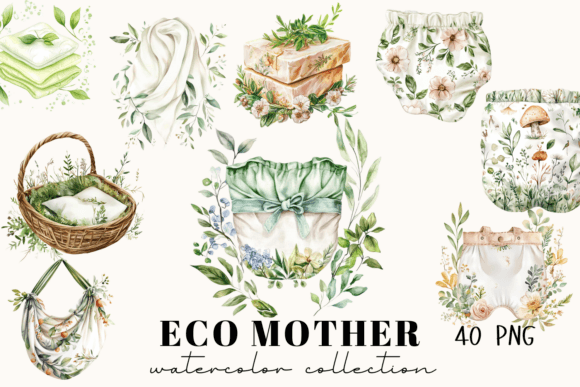
Eco Mother Baby is more than a brand name; it embodies a philosophy that prioritizes materials safe for both baby and the planet. Natural diapers are designed with the same absorbency and leak protection parents rely on, but they replace synthetic components with plant-based alternatives. Instead of chlorine-bleached wood pulp, you’ll find unbleached cotton or sustainably sourced fluff pulp. Instead of petroleum-based plastics, the outer shell often uses compostable plant materials or renewable resources like bamboo. The result is a diaper that reduces chemical exposure, decomposes faster in landfills, and often causes fewer allergic reactions.
What makes natural diapers particularly helpful is that they meet parents where they are. You don’t have to commit to a cloth-only routine to make a difference. Many natural diapers are disposable yet biodegradable, giving you the convenience of a single-use product with a smaller ecological footprint. Others are hybrid systems that combine a reusable outer cover with a biodegradable insert. This flexibility means you can start slowly—maybe using natural diapers at night or when you’re out of the house—and gradually shift more of your diaper stash toward eco-friendly options as you find what works for your family.
Practical Applications: How Different Families Use Natural Diapers
The beauty of natural diapering is that it adapts to your life, not the other way around. Consider three common scenarios:
The new parent with a low-budget, high-convenience need: You may be worried about cost but still want to avoid harsh chemicals. In this case, look for natural disposable diapers that are made without chlorine and fragrance but are priced similarly to mainstream brands. Use them for daytime changes when you’re on the go, and save a few cloth diapers for home use. You can reduce waste without investing in a full cloth system.
The family dealing with chronic diaper rash: If your baby cannot tolerate standard disposables, natural diapers made from organic cotton or bamboo can make a noticeable difference. The absence of synthetic materials allows the skin to breathe. Pair them with a water-based barrier cream to see if the rash subsides. Many parents find that switching to a natural diaper is the single change that resolves persistent irritation.
The eco-conscious household aiming for zero waste: For you, a combination of cloth diapers from Eco Mother Baby and biodegradable overnight inserts might be ideal. You might use cloth during the day when changes are more frequent and the soiled diapers can go directly into a wet bag for washing. For outings or long stretches, you can rely on compostable disposable options that break down in commercial facilities (check local options available). Over time, you may even start a small home composting routine for the flushable inserts.
Making the Switch: Recommendations and Practical Tips
Transitioning to natural diapers doesn’t have to be overwhelming. Start by replacing one category: overnight diapers. Nighttime leaks are often the reason parents give up on cloth or eco-friendly options, but many natural disposable diapers have excellent absorbency and staying power. Buy a small pack and try them for a week. If they work well, gradually replace your daytime diapers as well.
When shopping for natural diapers, pay attention to certifications. Look for labels like “chlorine-free,” “biodegradable,” or “Oeko-Tex Standard 100.” These indicate that the product has been tested for harmful substances and made without common irritants. Eco Mother Baby often emphasizes transparency in material sourcing, which gives you confidence that you aren’t trading one set of chemicals for another.
Another recommendation: plan for the learning curve. Cloth natural diapers require a different washing routine—hot water, gentle detergent without enzymes or brighteners, and occasional stripping to remove mineral buildup. If you choose cloth, start with just 6–8 diapers to see if you like the fit and absorbency. You can always expand later. For disposable natural diapers, test a few brands because fit varies. A diaper that works well for a chunky toddler may gap at the legs for a slender newborn.
Useful Considerations for Long-Term Success
Natural diapers often cost slightly more per unit than conventional disposables, but the total expense is less than you might think when you factor in fewer diaper rashes (less money on creams and doctor visits) and the ability to use fewer diapers overall (since many natural options are more absorbent). If you combine cloth some of the time, the savings increase significantly. Over the full diapering period (roughly 2.5 to 3 years), a mixed approach can save hundreds of dollars while keeping thousands of diapers out of landfills.
Another important consideration: not all “natural” diapers are created equal. Some brands use the term loosely while still including a small percentage of synthetic materials. Read ingredient lists carefully. A truly natural diaper will list the main materials as plant-based fibers, and the absorbent core will be free of sodium polyacrylate. If you are unsure, check the brand’s website for detailed material breakdowns. Eco Mother Baby and similar reputable sources publish this information openly.
For parents who travel frequently or have babies in daycare, natural diapers remain a viable option. Many daycares have embraced cloth or biodegradable diapers as more families request them. You can send a stash of natural disposables labeled with your child’s name, or provide a cloth-friendly wet bag. Communicate with the staff about your preferences; most are accommodating once they understand the system.
Tailoring Your Approach to Your Unique Situation
No two families navigate diapering the same way. A single parent working full-time may prioritize the easiest possible solution and find that a subscription to an eco-friendly diaper service (where cloth diapers are picked up and laundered weekly) is the right fit. A stay-at-home parent who enjoys routine and minimizing waste may prefer a full cloth system with biodegradable flushable liners (making solid waste disposal easy). A grandparent caring for a grandchild may appreciate the simplicity of a natural disposable that mimics the convenience of the regular diapers they’re used to, but with better materials.
What matters is that you feel confident and comfortable with your choice. Natural diapers from Eco Mother Baby and other trusted brands support that confidence by delivering performance without compromise. When you change a diaper, you’re not just cleaning your baby—you’re choosing an option that respects their developing body and the environment they will inherit.
Ultimately, the goal isn’t perfection. It is incremental improvement. Each natural diaper you use is one less petroleum-based, chlorine-treated diaper in the waste stream. Each rash-free week is a win for your baby’s comfort. Each time you share your experience with another parent, you spread practical knowledge that helps more families find solutions that work for them.
Natural diapering is a journey. Start with one change, test what fits your life, and let the positive results guide you forward. With the right information and a willingness to adapt, you will find a sustainable, effective diapering routine that aligns with your values—and that’s something every parent can feel good about.